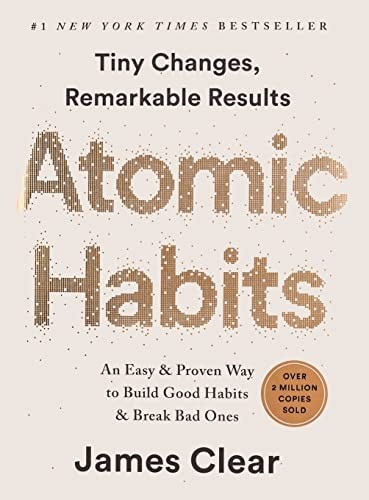
Atomic Habits
James Clear
First published 2018Avery/Penguin first edition, 16 October 2018, ISBN 9780735211292
What it is.
The popular synthesis: make the cue obvious and stack the new habit onto an old one.
Clear's argument is that the size of a habit and the odds of keeping it run in opposite directions, so shrink the behavior until it is too small to fail and let it compound. Around that sits a four part frame. Make the cue obvious, make it attractive, make the action easy, make the result satisfying. The part quoted less is the identity claim, that habits stick when they are evidence for who you already think you are.
Working summary · based on the book itself
The strongest objection
It is a synthesis, not research. Clear is organizing other people's findings well, and the compounding curve the book is famous for is a metaphor rather than a measured result.
Working summary · based on the book itself
Why it is here.
A behavior is triggered by a cue in your environment or routine, not summoned by willpower. Decide in advance exactly when and where you'll act, and the moment itself does the remembering for you.
A commitment device is a choice you make now that binds your future self. You lock in a specific plan in advance and put something on the line, so backing out has a cost and showing up becomes the easier path.
Two principles cite it, and for different halves. Cues takes the obvious cue and the habit stacking. Commitment takes the friction side, laying out the clothes and packing the bag the night before. That split is a fair description of the book.
Working summary · based on Toward's records
Where it sits.
Goals it serves.
Read it beside Tiny Habits. Fogg is the researcher and gives you the model, Clear is the synthesist and gives you the practice. Take Clear for the doing and Fogg for why any of it works.
Working summary · based on Toward's records